Kategorie: Data as an asset

Managing the data science product – an interview with Anna Hannemann, PhD
How to manage the data science product, Part 1: Algorithms are now products that need to be managed for business impact. Anna Hannemann, PhD of Metro.digital shares what she has learned as a pioneer in data science product management. She shares some key success factors for data science product development to drive monetization and growth .She also talks about organizational design, competencies that need to be in place and how new tools are impacting how data science products are managed.

Wie managt man ein Data Science Produkt? – Eine Serie von D3M Labs
Die Datenwissenschaft entwickelt sich von der Forschung und Entwicklung zu Produkten – sowohl online als auch offline….

How to manage the data science product, a D3M Labs Series.
Data science is moving from R&D into products – both online and off. Managing data products requires…

Building defensibility with Data Moats – an interview with Raúl Berganza Gómez
Competitive advantages enable your business to be successful. Defensibility is what you need to keep that competitive advantage. Data Moats leverage data to create parts of your business that are hard for competitors to replicate. In an open source, fast-moving digital world, building a deep moat gives your business the margin and time to maintain competitiveness.

Data only has financial value if it can be monetized – An interview with Michael Guthammar
Having no physical form, data is an intangible asset. Data is often a contributory asset as well, its value being realized via the ability to generate profit through, for example, insight used in decision making or algorithmic-product such as a recommendation engine. Certain methods and considerations are required when valuing data.
What is Data-as-a-Service?
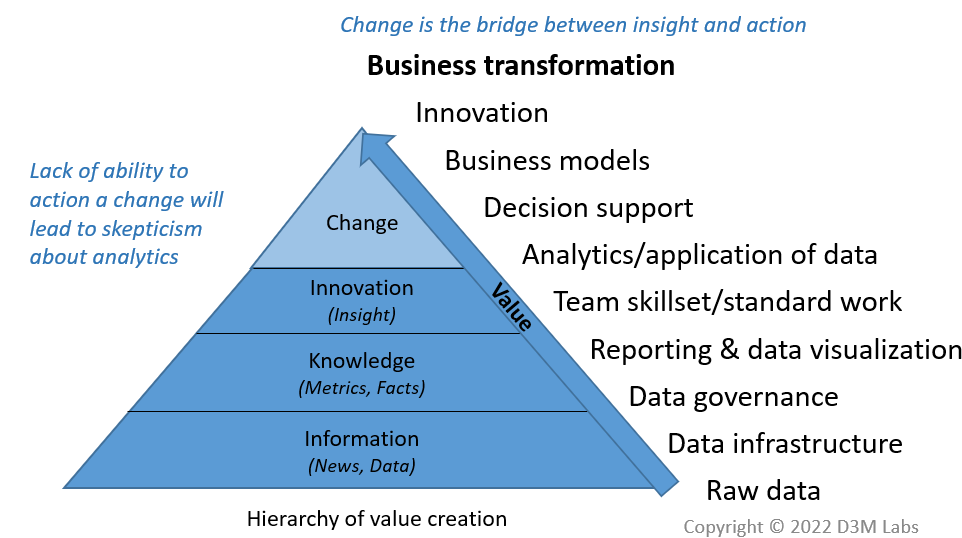
Data-as-a-Service (DaaS) can be described as productized data-driven insight on demand. DaaS allows business users to access the data and insights they need at the timing they desire. The data and insights can be consumed by multiple individuals simultaneously, location-independent of where the data has been sourced and managed.